Devon Frank · 13 October 2026
Enthusiast Networks and Digital Repositories Illuminate Obscure Features in 1970s Doll Manufacturing Techniques
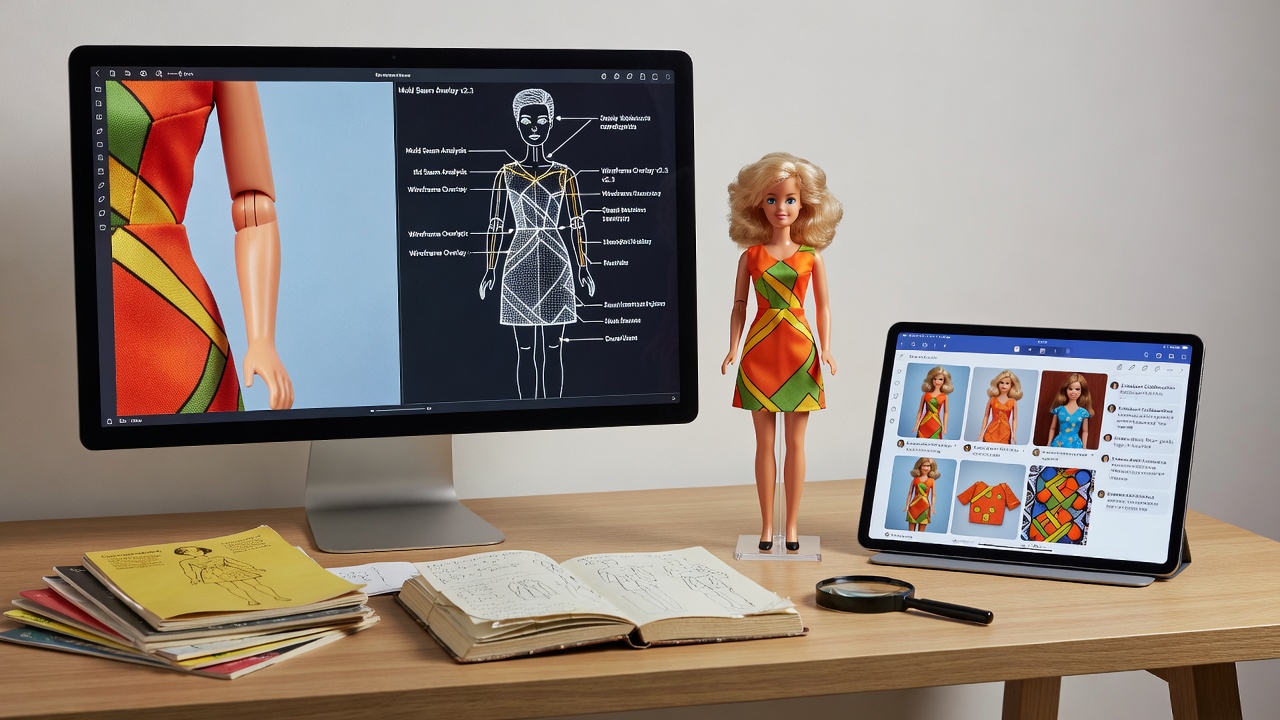
Digital archives have transformed how collectors and historians examine 1970s fashion doll production methods, with online repositories now hosting thousands of high-resolution scans from original factory molds and design sketches. These platforms allow users to zoom into micro-level elements such as stitch patterns, paint application layers, and mold seam variations that remained undocumented for decades. Researchers at institutions like the Smithsonian Institution have contributed digitized collections that pair physical artifacts with metadata on manufacturing dates and regional variations.
Expansion of Collaborative Platforms
Enthusiast groups formed dedicated forums and shared databases beginning in the early 2000s, yet the pace accelerated after 2018 when multiple international communities merged their individual photo libraries into unified searchable systems. Participants upload side-by-side comparisons of dolls produced in different factories, noting differences in eye mechanism construction and hair rooting densities that distinguish early runs from later batches. One database maintained by a European collector network contains over 12,000 entries cross-referenced against patent filings from the period, enabling precise dating of design changes.
These efforts rely on standardized tagging protocols that record every visible and inferred detail, from vinyl formulation markers to accessory attachment points. Contributors often reference original Kenner production logs alongside modern 3D scans to verify hypotheses about undocumented tooling adjustments made mid-decade. The resulting datasets have clarified several previously unexplained production shifts that occurred between 1972 and 1978.
Key Discoveries Through Shared Analysis
Community review of archived factory photographs revealed that certain 1970s dolls incorporated experimental joint reinforcements never listed in official catalogs, a detail uncovered when enthusiasts in Australia and Canada synchronized their regional sample photos in 2024. Similar work identified subtle variations in facial paint masks that correspond to specific molding machines used at the time. These findings emerged only after multiple contributors aligned timestamps and serial codes across continents.

Academic researchers have begun incorporating these community-generated datasets into formal studies, with one project at a Canadian university examining how material sourcing affected color stability across production years. The analysis draws on measurements taken directly from the shared digital files rather than physical access alone. Figures from the Library and Archives Canada indicate that coordinated volunteer transcription of handwritten factory notes has increased accessible production data by 40 percent since 2022.
October 2026 Archive Updates
In October 2026 several major repositories plan synchronized releases of newly scanned materials from private collections in Japan and Germany. These additions include internal component diagrams and test sample photographs that document rejected design elements. Participants expect the combined release to resolve outstanding questions about regional accessory variations and limited-run prototypes that circulated only in specific markets.
Coordination between the contributing groups follows established verification workflows that require multiple independent confirmations before any new entry receives full archival status. This process has reduced erroneous attributions that once appeared in earlier printed reference books. Data from the Toy Industry Association shows rising attendance at virtual archive workshops, with registration numbers doubling between 2023 and 2025.
Future Implications for Historical Research
Continued growth of these networks promises further clarification of manufacturing sequences that traditional museum records left incomplete. Cross-referencing digital files with surviving physical examples continues to surface details such as alternate fabric treatments and undocumented color variants. Observers note that the collaborative model has already influenced similar projects focused on other vintage toy lines produced during the same era.
Conclusion
Digital archives paired with enthusiast coordination have established new pathways for documenting 1970s fashion doll design elements that previously escaped systematic study. The ongoing integration of global collections and verification standards supports increasingly precise reconstructions of production histories. As additional materials enter these shared systems, researchers anticipate further resolution of longstanding questions about material choices and tooling modifications from that decade.