Devon Frank · 29 September 2026
Economic Pressures Driving Changes in Blythe Doll Collection Strategies Worldwide
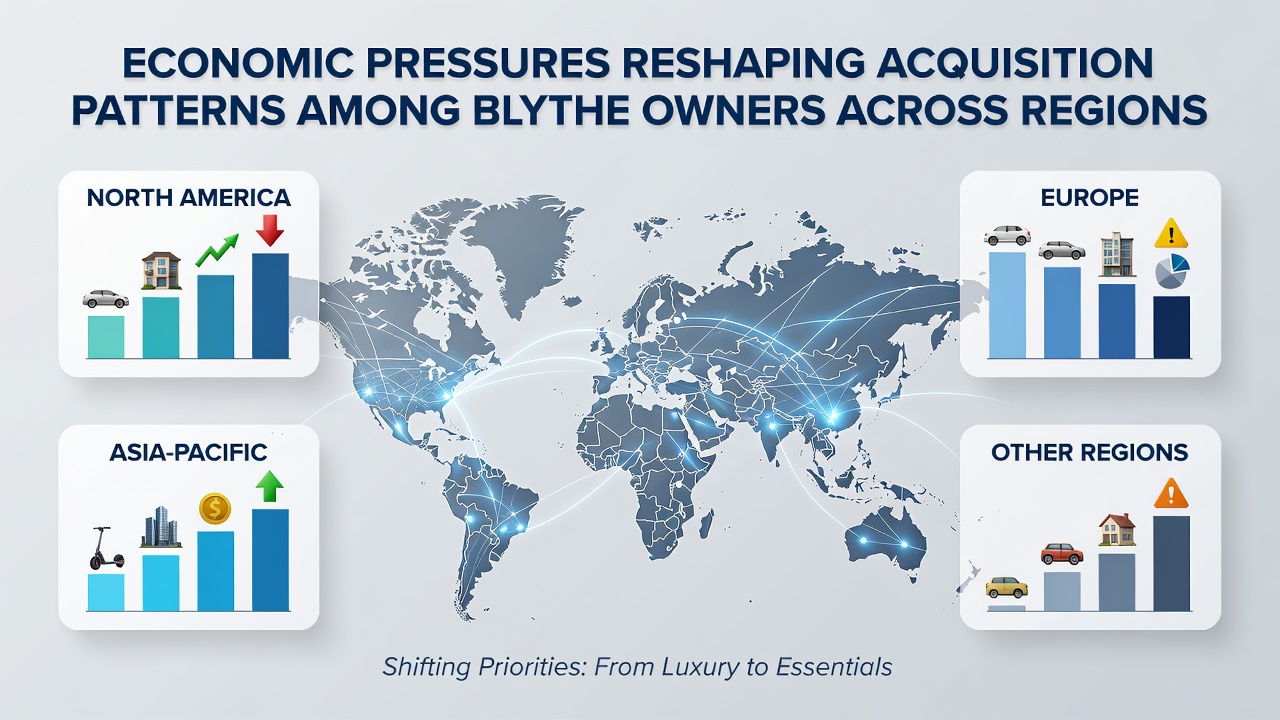
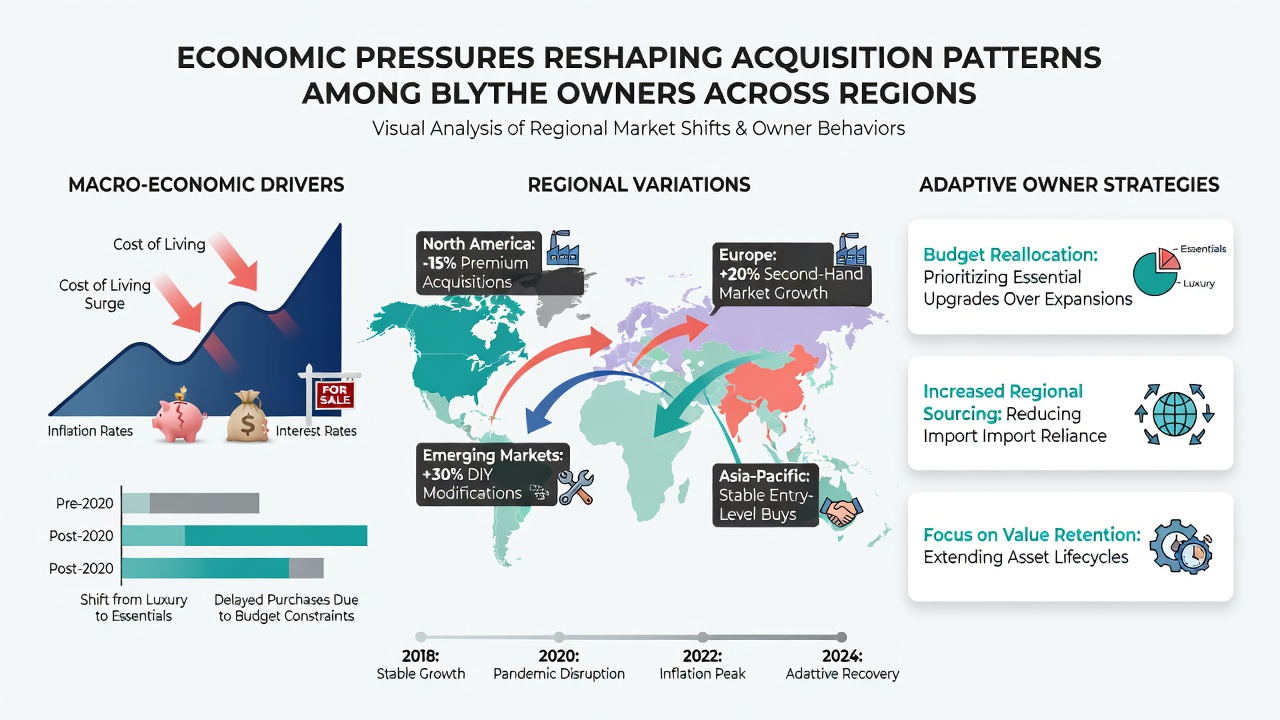
Observers note that economic pressures continue to influence how collectors approach Blythe doll acquisitions across different regions, with data indicating shifts toward secondary markets and selective purchasing since early 2024. Research from consumer spending analyses shows inflation and currency fluctuations have prompted owners in multiple areas to adjust their buying habits while maintaining interest in the dolls. Those who've tracked the market point out that patterns vary notably between North America, Europe, and Asia-Pacific zones, where local economic indicators play distinct roles in decision-making processes.
North American Market Adjustments
Figures from the Bureau of Labor Statistics reveal rising costs for discretionary items have led many Blythe enthusiasts in the United States and Canada to favor pre-owned dolls over new releases, and this trend accelerated through 2025. Collectors often turn to online platforms for vintage pieces because direct imports carry higher tariffs and shipping fees amid ongoing trade adjustments. Experts have observed that regional differences emerge clearly here, with urban collectors in high-cost cities prioritizing limited editions while rural buyers focus on smaller, more affordable additions to their sets. Data shows participation in collector forums has grown as people share sourcing tips and price comparisons to stretch budgets further.
European Shifts and Currency Factors
Across Europe, reports from Eurostat highlight how energy price volatility and slower growth rates have reshaped acquisition timelines for many owners, prompting delays in purchases until sales events or seasonal promotions appear. Those monitoring the scene note that collectors in the UK and Germany increasingly rely on local resale networks rather than international orders, since exchange rate swings add unpredictability to final costs. One study revealed that group buys and shared shipping arrangements have become common strategies, allowing participants to divide expenses while still accessing desired models. What's interesting is how these methods connect directly to broader consumer confidence metrics that dipped in several member states during mid-2025.
Asia-Pacific Regional Patterns
In Asia-Pacific territories, Australian Bureau of Statistics data on household spending indicates that collectors face similar constraints from import duties and fluctuating material costs, leading to greater emphasis on domestic customizations and repairs instead of frequent new acquisitions. Observers note that Japanese and South Korean markets show strong preference for limited collaborations tied to local events, where economic pressures encourage strategic timing around salary bonuses or fiscal year ends. Researchers discovered that online auction activity spikes during these periods, reflecting deliberate planning by owners who balance hobby expenses against other financial priorities. Collectors in these areas often document their approaches in community threads, highlighting how regional availability influences choices more than global trends alone.
Broader Influences on Acquisition Behavior
Supply chain disruptions combined with interest rate changes have encouraged many owners to diversify their sources, moving away from single retailers toward mixed strategies that include swaps and community sales. Evidence suggests this diversification appears consistently across regions, though the pace differs based on local inflation rates and disposable income levels. Those who've studied the patterns point out that September 2026 marks a point where several economic forecasts predict stabilization in key indicators, potentially allowing renewed focus on primary market releases for some groups. Yet regional disparities persist, with emerging markets showing slower recovery compared to established collector hubs. Industry reports from the Toy Association connect these shifts to wider toy sector data, where similar economic factors affect acquisition across multiple collectible categories.
Conclusion
Overall patterns demonstrate that economic pressures continue reshaping how Blythe owners acquire pieces, with regional variations driven by specific indicators like inflation, currency stability, and trade policies. Data continues to track these adaptations through late 2026, offering insights into collector resilience amid changing conditions.