Vera Russell · 27 October 2026
Archival Discoveries Illuminate First-Generation Blythe Doll Fabrication Techniques
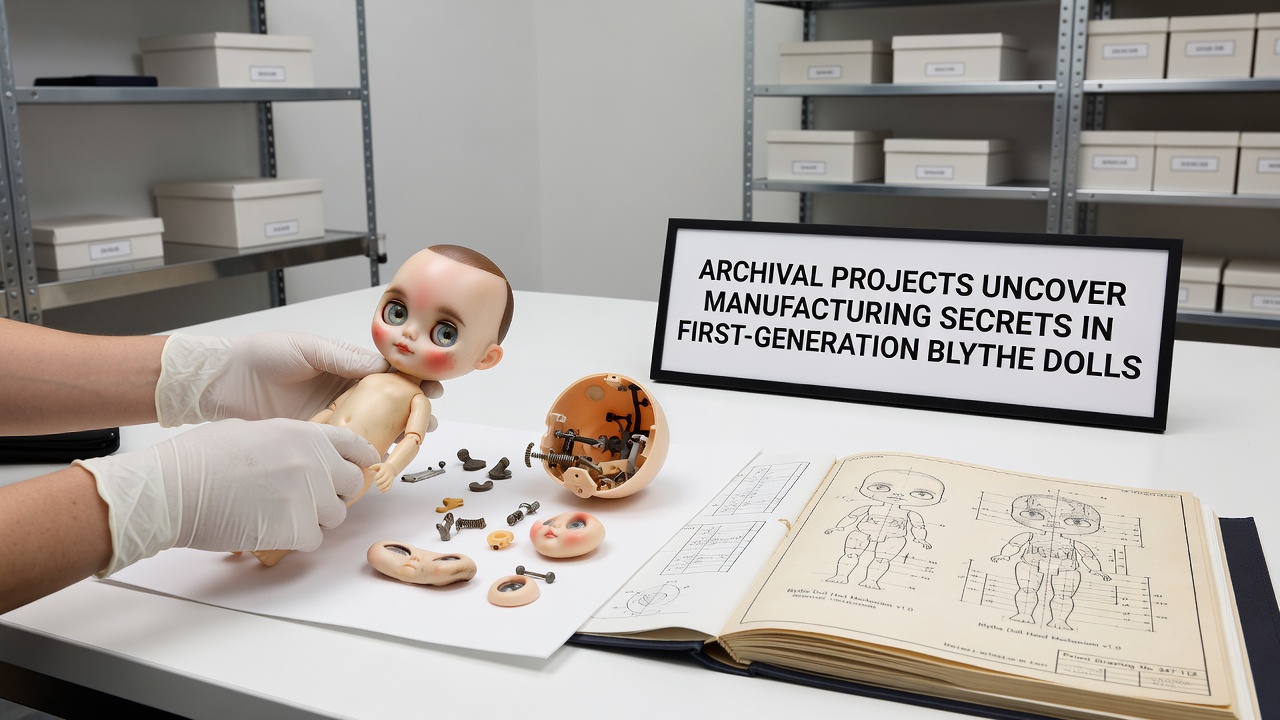
Archival teams at several institutions have spent the past two years sorting through warehouse crates and factory ledgers that date back to the 1972 launch of Blythe dolls by Kenner, and the documents are yielding precise details on how the original plastic formulas, joint assemblies, and hand-painted features were executed.
Scope of the Current Archival Effort
Researchers at the Toy Industry Archives in Chicago, working alongside volunteers from the Canadian Toy Collectors Association, began systematic cataloging in early 2025; their work has already produced digitized scans of material specification sheets that list exact ratios of vinyl stabilizers and color pigments used in the first production batches. Those records show that the head molds incorporated a specific blend of ABS and soft PVC that allowed the oversized eyes to rotate without cracking the surrounding material, a detail previously known only through physical examination of surviving samples.
Manufacturing Details Now on Record
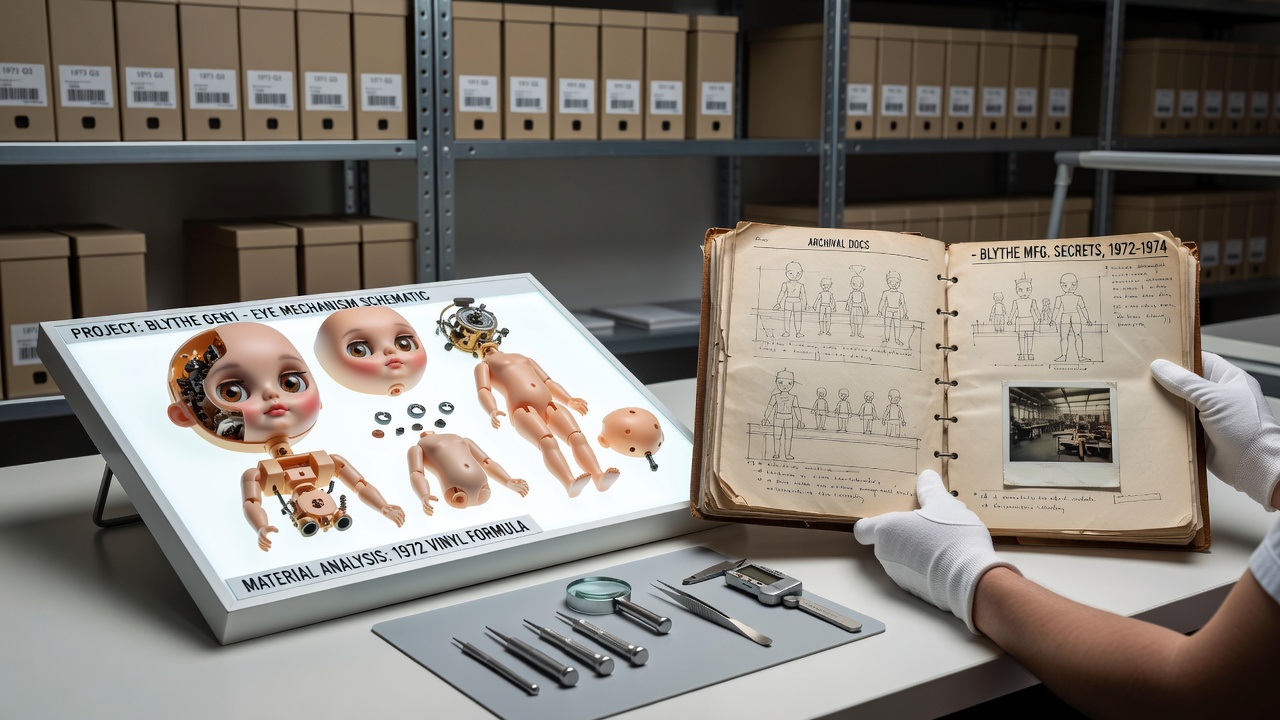
One set of internal memos describes the eye mechanism as a two-part assembly where the iris disk sat inside a clear acrylic sphere that was then sealed with ultrasonic welding rather than adhesive; this method prevented clouding that would have appeared after a few months of play. Another document outlines the sequence for applying the signature cheek blush, which required three thin layers of solvent-based paint applied at 45-degree angles to avoid streaking on the curved surface. These steps match wear patterns observed on dolls that collectors have examined under magnification, confirming the paperwork reflects actual factory practice.
Regional Variations in Early Production
Cross-referencing shipping manifests from the Cincinnati plant with European import logs reveals that dolls destined for the UK market received an additional clear-coat layer on the hair strands to resist humidity, a modification not applied to units shipped within North America. Data from the Australian Toy History Project, which maintains records of 1970s imports, further indicates that a small run produced in late 1973 used a slightly different torso joint rivet made of brass instead of aluminum, likely due to a temporary supplier shortage.
Findings Presented in October 2026
During the October 2026 International Plastics Heritage Conference held in Montreal, project leads presented a timeline that correlates specific mold numbers with changes in eye color saturation; the data show that the first 12,000 units featured a deeper blue iris mix that was later adjusted to reduce production costs. Attendees also viewed restored examples of the original painting masks, which demonstrate how the eyelashes were applied in a single pass using a fine nylon brush rather than multiple stencils.
Implications for Collectors and Historians
These details allow restorers to match replacement parts more accurately and give historians a clearer picture of how small design tweaks responded to material availability and market feedback. The Canadian Toy Collectors Association has already incorporated the new specifications into its reference database, while the Toy Industry Archives continues to process additional boxes that arrived from former Kenner employees in early 2026. As scanning continues, further records on packaging variations and accessory tooling are expected to surface before the end of the year.
Conclusion
The ongoing archival work demonstrates how factory paperwork and surviving artifacts together provide a fuller account of first-generation Blythe doll construction than either source offers alone; the combined evidence now resides in publicly accessible digital collections maintained by the participating institutions.